

In the high-demand environment of coal-fired power plants, maintaining clean and efficient filtration systems is essential for ensuring smooth operations, reducing energy consumption and meeting environmental standards. Traditionally, monitoring these filters has been a manual and time-consuming task. However, with the integration of Industrial Internet of Things (IIoT) technology, filter monitoring is undergoing a significant transformation. By enabling real-time monitoring and smart alerts, IIoT is not just enhancing plant operations – it is redefining them.
Manual monitoring in a demanding environment is challenging
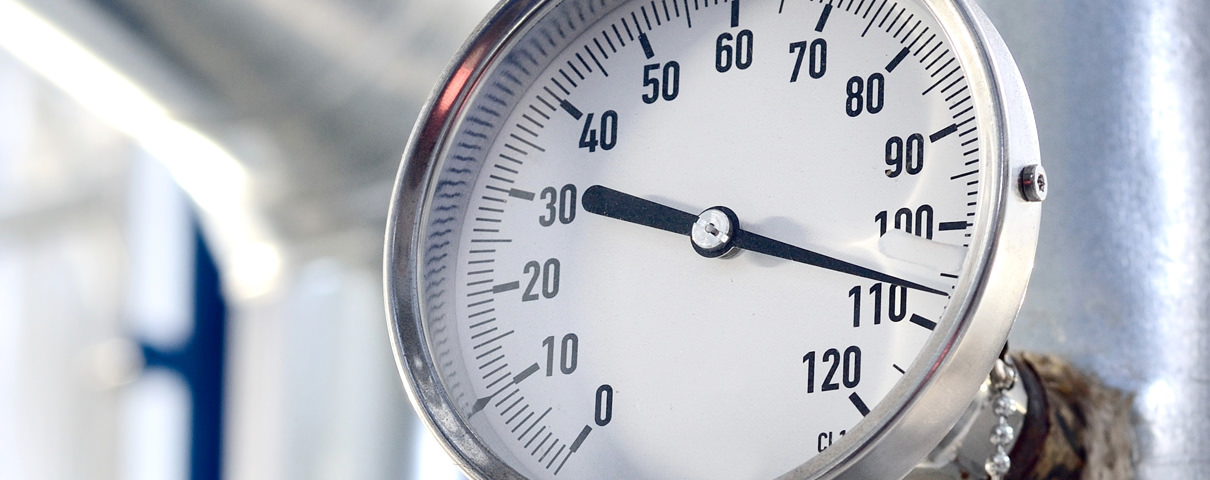
Coal-fired power plants rely on a wide range of filters to manage air quality and protect critical equipment. In a real-world case, a plant operates twelve different filter models, including those for exhaust air in coal loading containers, coal collection containers, truck loading areas, ash rejection systems, ash quality monitoring equipment and homogenisers. Each of these filters is monitored using differential pressure gauges which indicate when a filter becomes clogged and needs to be cleaned or replaced.
Previously, the plant operator had to manually inspect each gauge. Given the vast layout of the facility, this process was not only labour-intensive but also inefficient. The effort required for manual readings was substantial, and the risk of human error was ever-present. Dirty filters that were not replaced in time led to increased energy consumption, while routine maintenance often resulted in replacing filters that were still functional. These inefficiencies contributed to higher operational costs and increased the risk of unplanned disruptions.
IIoT-capable filter monitoring with differential pressure sensor from WIKA
To address these challenges, the plant implemented a smart monitoring system using the A2G-500 differential pressure sensor from WIKA. This sensor continuously measures the pressure difference across each filter and transmits the data wirelessly using the LoRaWAN® protocol. With a measuring range of 0 to 2,500 Pa (0 to 25 mbar) and a transmission rate of once per hour, the system ensures accurate and timely data collection.

The A2G-500 differential pressure sensor indicates when a filter becomes clogged and needs to be cleaned or replaced.
WIKA also supported the strategic placement of the LoRaWAN® gateway to guarantee reliable signal coverage throughout the plant. The gateway sends the recorded data to a central dashboard, which is also provided by WIKA. There, operators can monitor the differential pressure readings of all filters in real time directly from the control room.
Advantages: Smart alerts and centralised control
One of the key advantages of this system is its ability to trigger automatic alerts. When the pressure across a filter exceeds a predefined threshold, the dashboard immediately notifies the operator. This allows for prompt, targeted maintenance, eliminating the need for routine manual checks and ensuring that filters are serviced only when necessary.
The implementation of IIoT technology has delivered significant benefits to the plant. Operational efficiency has improved through early detection of filter issues and optimised filter performance. Maintenance efforts are now more focused – reducing downtime and avoiding unnecessary interventions. The system has also led to substantial cost savings by lowering both maintenance and energy expenses. Most importantly, it has enhanced safety by preventing operational disruptions and reducing the risk of accidents caused by clogged filters.
Conclusion: A strategic step towards smarter power generation
By embracing IIoT for filter monitoring, coal-fired power plants can shift from reactive to proactive maintenance strategies. The WIKA A2G-500 with LoRaWAN® not only simplifies operations but also supports a more sustainable and cost-effective approach to power generation. In an industry where reliability, efficiency and environmental responsibility are paramount, smart monitoring is more than a technological upgrade – it is a strategic move towards the future.
Note
Read more about IIoT solutions on the WIKA website. There you will also find an overview of the entire WIKA product portfolio, including the A2G-500 differential pressure sensor. We will also be presenting further measurement solutions for the power plant industry. If you have any questions, your contact will gladly help you.
Also read our posts
Differential pressure switches ensure safe filter operation
Safe filter monitoring with differential pressure gauges
Filter monitoring: A crucial component for energy-efficient operation