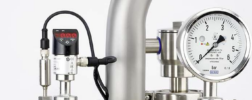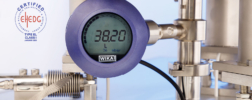
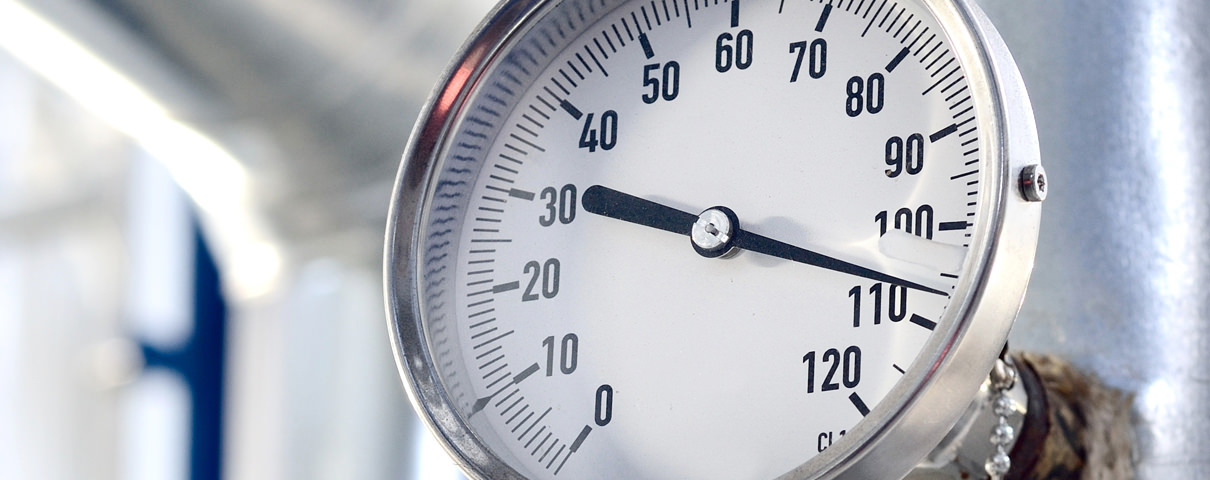
3-A and EHEDG are among the world’s most important frameworks for hygienic design in the food and beverage industry. Both are globally recognised and serve the aim of designing process plants and instrumentation to be hygienic, easy to clean and safe. Nevertheless, …
Know-how
3-A hygienic design: Hygienic measuring locations with clear design criteria
Joachim Zipp | Know-how, Know-howIn the food and beverage industry, hygienic design has a direct impact on product safety, cleaning effort and plant availability. Recognised hygiene criteria are particularly important in processes involving frequent product changes, CIP cleaning or stringent …
EHEDG: Hygienic design with risk-based evaluation and practical cleanability testing
Joachim Zipp | Know-how, Know-howHygienic design is a decisive factor in ensuring food safety, product quality and efficient cleaning in modern production plants. The EHEDG (European Hygienic Engineering & Design Group) takes a particularly practical and risk-based approach in this regard. Having …
The five levels of digitalisation of calibration certificates – and where the digital calibration certificate (DCC) comes in
Matthias Bundschuh | Calibration, Know-howDigitalisation in metrology is not a sudden technological leap, but a development that unfolds in clearly recognisable stages. These stages – the so‑called five digitalisation levels – describe how calibration data develop from their analogue origin towards fully …
Digital calibration certificate (DCC): A key technology for Industry 4.0
Matthias Bundschuh | Kalibrierung, Know-howAt a time when production processes are becoming increasingly networked, automated and data-driven, data quality and data management are rapidly gaining importance. In Industry 4.0 people, machines and systems work together seamlessly. But how does this vision become …